Y2K Aesthetic Photos: What's Actually Viral in 2026
Summary
Y2K aesthetic photos are the dominant selfie trend on TikTok right now. Six visual elements define the look: harsh direct flash, frosted icy palette, chrome accents, butterfly clips, digital grain, and mirror selfie composition. AI handles palette and grain well; mirror selfie composition needs a real source photo. Sub-styles range from pop princess to mall goth. This trend has more longevity than a typical AI filter wave, but committing to at least four weeks of the aesthetic is what actually makes it land.
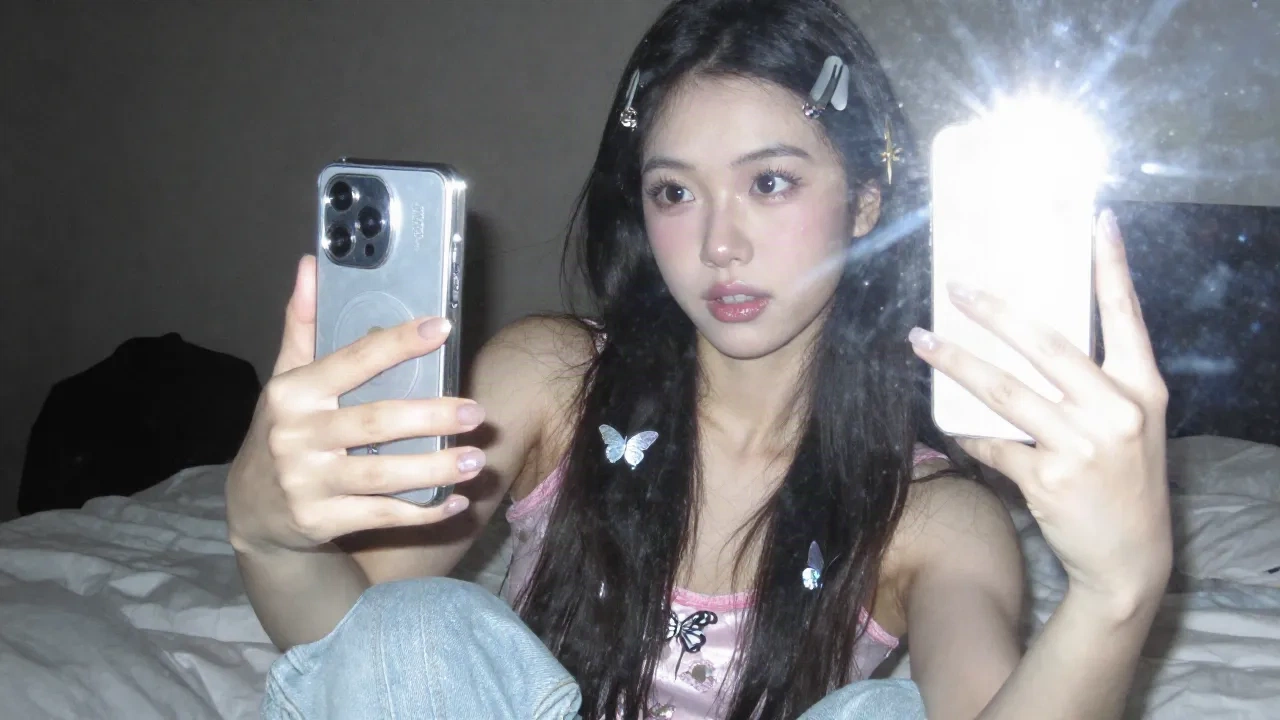
Y2K aesthetic photos are all over TikTok. Not as irony, not as a niche throwback account following: the actual default selfie aesthetic for a solid chunk of creators in mid-2026. You have seen them -- harsh direct flash, butterfly clips, that frosted baby-pink palette that screams year-2000 bedroom, chrome accessories catching light at odd angles. The trend has technically been coming back since 2021, but something clicked this year.
This is what is actually going on, what makes the look work, and where AI tools are useful vs. where they fall flat.
Why Y2K came back harder this time
The obvious answer is the 25-year cycle. The kids who were five in 2001 are now 30, making content, nostalgic for the visual language of their childhood. The kids born in 2005 are discovering it as something genuinely foreign -- vintage without being old enough to feel dated or corny.
But the more specific reason it landed harder in 2026 than in 2022 or 2023 is fluency. The early revival was mostly surface recall: chrome gradients as filters, butterfly clips as props, references that were correct but shallow. What changed is that creators who have been absorbing the aesthetic for three years are now doing it natively. You can tell. The posts look like they actually belong to the era rather than quoting it from a distance.
There is also a platform mechanics element. Instagram and TikTok both reward visual distinctiveness because scroll-stopping quality signals high engagement rates. Y2K photos have a built-in contrast effect against the flat-lit, warm-toned, over-edited look that dominated 2023-2024. If your post reads as genuinely different from what surrounds it, the algorithm notices. Y2K consistently reads different from everything else in a feed right now.
The honest caveat: not everyone is positioned for this. If your existing audience follows you for recipe content or fitness routines, dropping a Y2K selfie series is likely to confuse rather than perform. The trend rewards creators who can authentically fit the aesthetic into what they already do.
The six visual elements that actually define the look
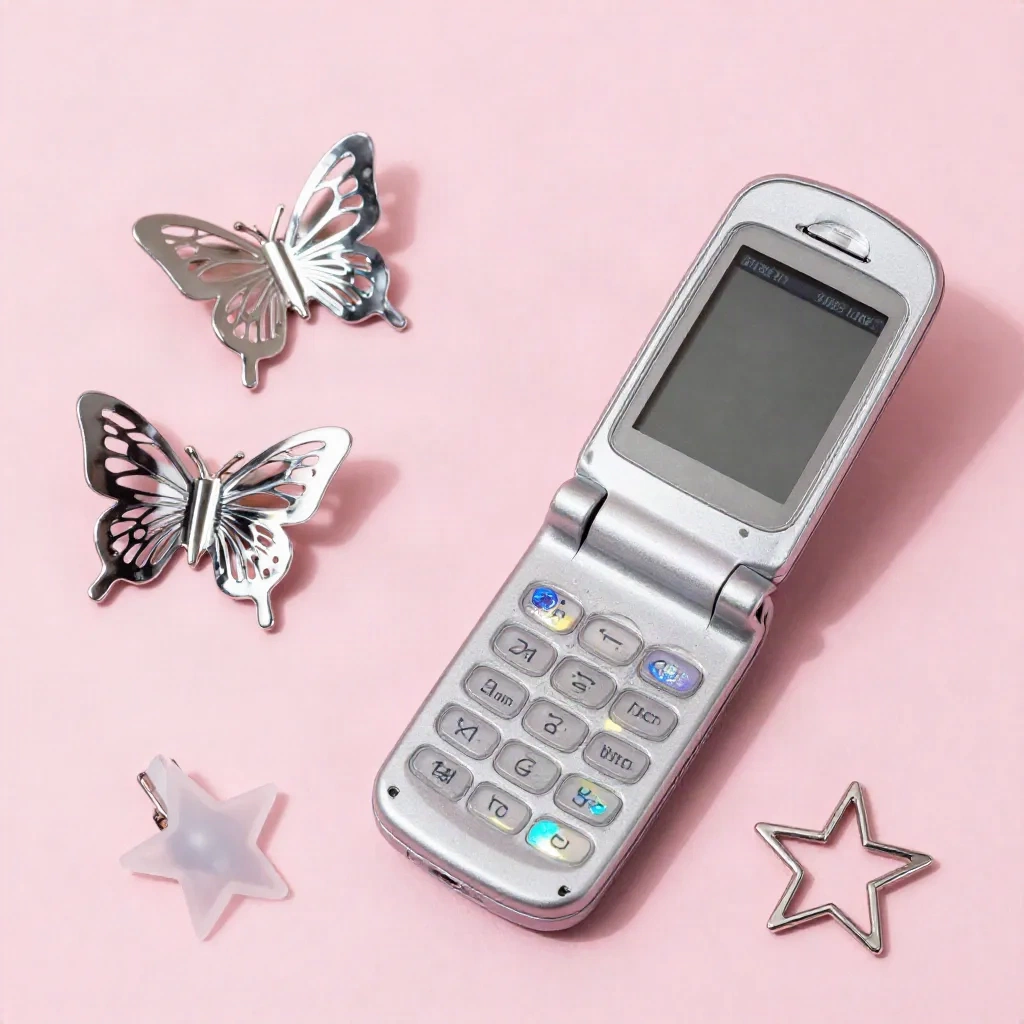
Most breakdowns of Y2K give you a five-word checklist: flash, chrome, butterfly clips. That gets you to a mood board. It does not get you to the actual thing. Here are the six elements that separate Y2K aesthetic photos that land from ones that look like a 2025 selfie with a retro filter applied:
Harsh direct flash. Not a ring light. Not a soft box. The specific blown-out quality of a disposable camera or early digital camera shooting at close range, skin highlights disappearing, backgrounds going dark. AI handles this well when you describe it precisely in your prompt.
Frosted icy palette. Not warm vintage. Cool. Pale blue, icy white, baby pink, silver. The opposite of golden hour. If your image has warm orange or amber highlights, it reads as nostalgic-generic, not Y2K.
Chrome and iridescent accents. Hair pins, lip gloss, phone case. Small objects that pick up light and reflect it at off-angles. The iridescence is the key detail -- pure chrome reads as 2026 tech aesthetic rather than 2001 tween bedroom.
Digital grain, not film grain. Film grain is organic and randomly distributed. Digital sensor noise is harsher, more regular, and slightly more artificial-looking. They are not the same effect. Y2K wants the second one. AI portrait generators frequently default to film grain, which breaks the period feel immediately.
Low-megapixel framing. Tight crop, often slightly soft at the edges, slight compression artifacts. Early digital cameras had limited sensors and it showed. The sharp-everywhere perfection of modern AI rendering reads as anachronistic the moment someone familiar with the aesthetic sees it.
Mirror selfie composition. Full-body or three-quarter mirror shot with the phone or camera visible in frame. This is the composition that defines the era more than any single accessory. Skip the overhead shot. Skip the arm-extended straight-on frame. The mirror is non-negotiable if you want the look to read as genuinely period-accurate.
Skip the warm tones. Skip clean studio perfection. Both read as modern.
What AI handles well, and where it falls flat
The honest answer: more than you would expect, with a few genuine blind spots worth knowing before you spend an afternoon generating.
AI portrait tools have gotten good at processing explicit stylistic cues, and Y2K is specific enough that well-described prompts usually work. Upload a clean selfie in even lighting with a relatively neutral background, describe the visual elements you want, and the output is usually recognizable as period-accurate.
Where it works well: chrome and iridescent effects translate reliably across most tools. Frosted palette conversion is consistent on medium to light skin tones. Grain effects are solid when you specify digital sensor noise rather than film grain -- that distinction in the prompt makes a real difference in the output.
Where it falls flat: mirror selfie composition is nearly impossible to generate from scratch. You can add grain and chrome to an existing mirror selfie; you cannot generate the phone-in-mirror element purely from a prompt. The look needs a real source photo to work from. This is not a limitation that will be fixed by a better model -- it is structural to what the composition requires.
Very dark skin tones sometimes get over-filtered. The frosted icy palette historically underserved anything except pale-to-medium skin -- the conversion would wash out detail and read as an artifact rather than an aesthetic choice. The better tools have improved here in 2026, but it is worth generating several variations and comparing before settling on one. Aim for intentional, not bleached.
The best Y2K AI photos right now are hybrid: a real mirror selfie as the source, AI applied for palette conversion, grain, and chrome accents, minimal additional editing on top. Fully AI-generated Y2K portraits feel slightly off in a way that is hard to name but immediately visible to anyone who has spent real time with the trend.
The sub-styles: not all Y2K is the same
Y2K is not one visual language. Here is a breakdown of the sub-styles that actually circulate on TikTok and what each one requires:
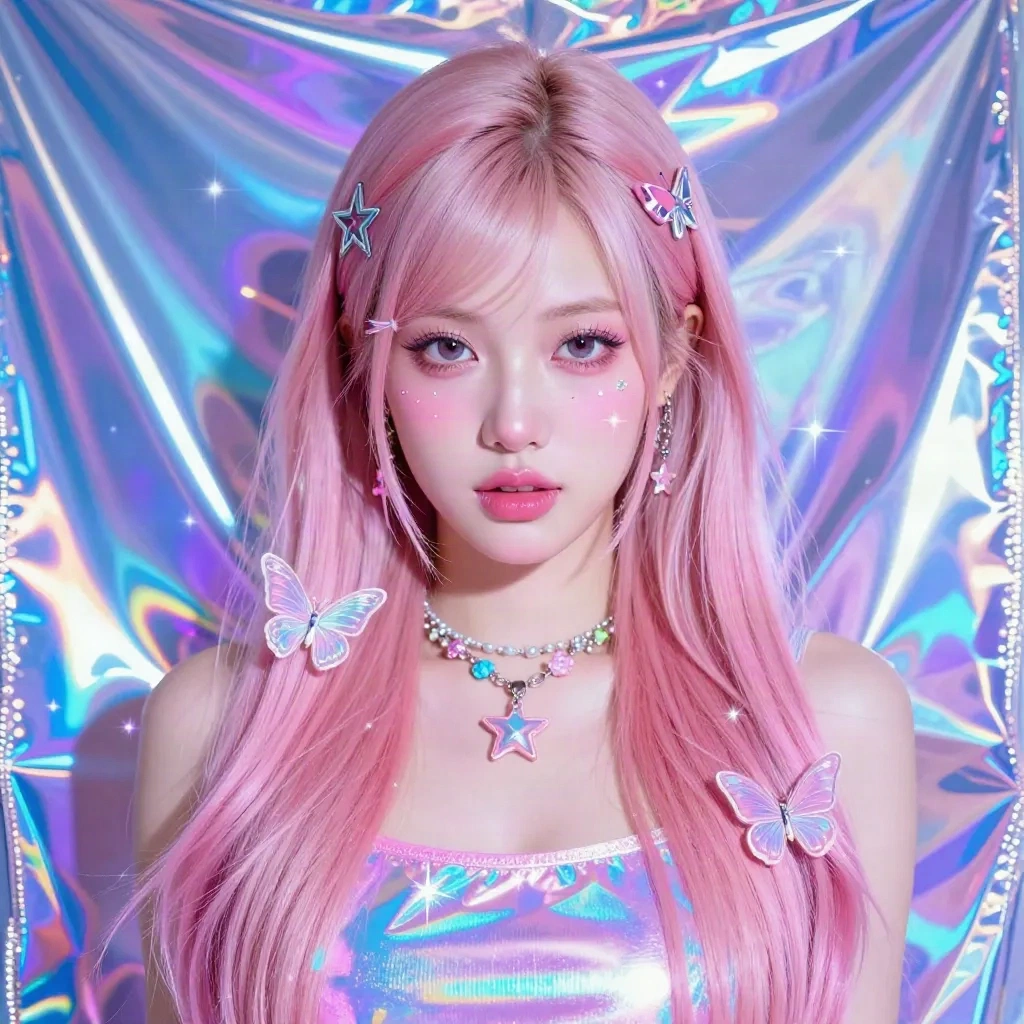
Pop princess. Britney-era soft pink, lots of sparkle, frosted eyeshadow, big hair. Maximum sweetness. The most accessible sub-style for AI tools because the visual references are cohesive and well-represented in training data. Works best if you already have a bright, high-energy feed aesthetic.
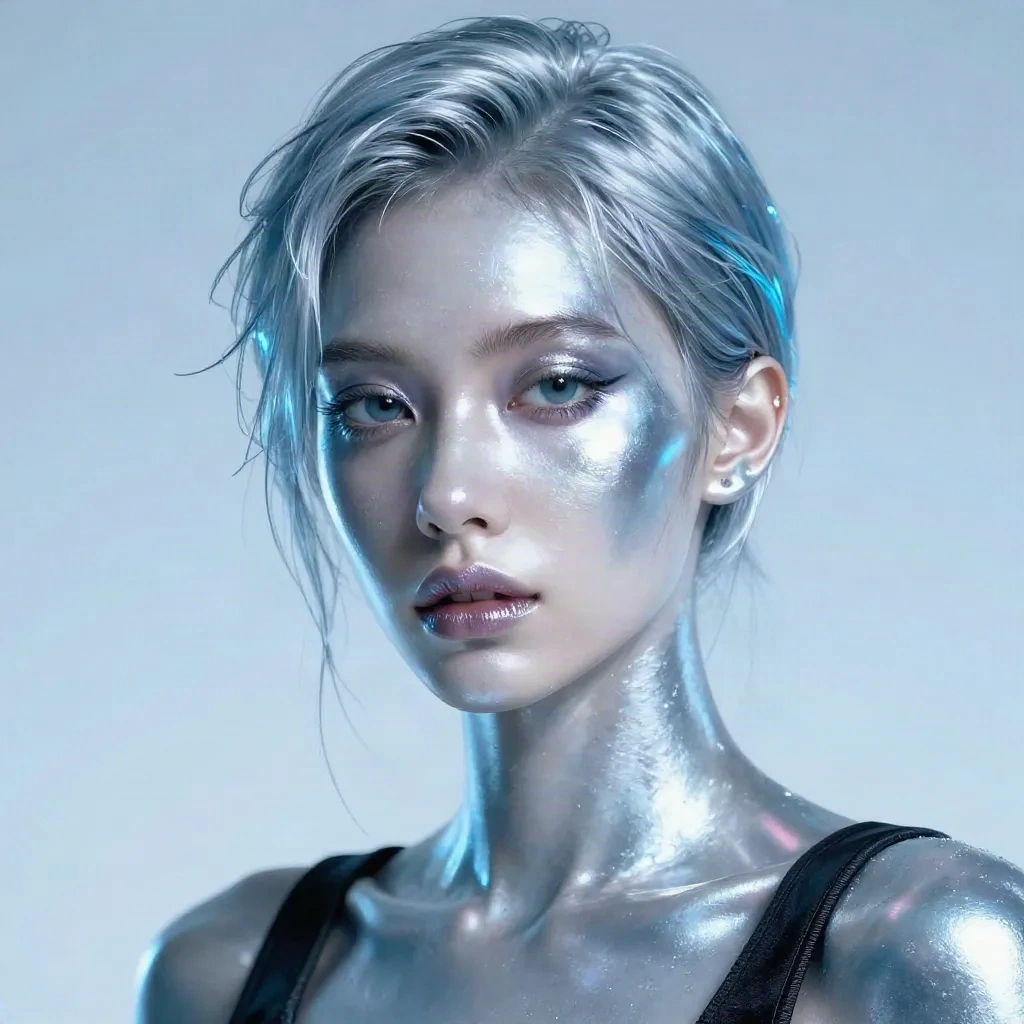
Cyber. Silver and blue, minimal accessories, angular shapes. Influenced by early tech branding and the Y2K bug panic aesthetic -- the colors of computer error screens and early Apple product photography. Visually striking when it lands, but harder to source references for because the touchstones (Frutiger Aero, tech blogs circa 2003) are more obscure than pop princess.
Mall goth. Black, silver, fishnet, chunky platform shoes. Technically Y2K but a completely different emotional register from the rest. This sub-style works for creators with an alt or dark aesthetic already established in their feed. Trying to pivot from soft pink content to mall goth without the surrounding context rarely reads as intentional.
Soft digital. Muted pastels, digital grain, minimal accessories. Less saturated than pop princess, less aggressive than cyber. This is the sub-style with the longest shelf life because it does not depend on a specific cultural iconography -- it reads as period-aware without committing to a particular sub-culture. The safest choice if you are uncertain which direction fits your audience.
The mistake most people make: picking a sub-style based on what looks good in someone else's reel and forgetting to check whether it fits the rest of their own feed. Y2K done wrong is not necessarily a bad photo. It is an off-brand photo -- which for a creator is sometimes worse.
How to make it work on TikTok and Reels right now
Y2K aesthetic photos perform best as series, not as one-offs. One transformed selfie in an otherwise neutral feed lands as a curiosity. Four or five posts in the same visual language start to read as an identity -- which is when the audience actually starts to follow you for it.
The practical workflow most creators are using right now: one base mirror selfie shot in decent indoor light, then applied to three or four different Y2K sub-style treatments using an AI tool, posted over two to three weeks. It builds a visual narrative without over-committing before you know whether the format resonates with your specific audience.
Caption framing matters. Captions that contextualize the aesthetic -- tested three different Y2K sub-styles on the same selfie, here is what I got -- consistently outperform captions that just label the aesthetic. The audience already knows what Y2K is in 2026. They want to know what you observed, what surprised you, what worked and what did not.
Cross-platform note: the frosted icy palette reads especially well on Instagram because of how the platform handles highlight compression. On BeReal, posting a Y2K-edited version alongside the unfiltered original plays directly into the authenticity tension that makes BeReal interesting.
Why this trend outlasts the typical AI filter wave
Trends like AI Yearbook and Renaissance portrait had approximately six weeks of genuine viral momentum before they became immediately recognizable as that AI filter from last season.
Y2K aesthetic photos are different because Y2K is not just an AI filter. It is a broader visual language active simultaneously in fashion, interior design, brand identity, and music video direction in 2026. The trend is not sustained by a single app or a single TikTok sound. Multiple cultural forces keep it alive.
That does not mean it is permanent. The pop princess wave will peak and eventually recede. The soft digital version will likely outlast it. Something more specific and weird will emerge from within the broader Y2K aesthetic as the community continues to iterate on it. In August 2026, all of that is still ahead.
The practical limit: Y2K photos work best for creators who can commit to at least four to six weeks of consistent visual identity moving in the same direction. One post reads as a costume. A sustained run of posts in the same aesthetic starts to read as who you actually are. The second one is what builds an audience.