Y2K Aesthetic in 2026: Chrome, Flash and Borrowed Nostalgia
Summary
The y2k aesthetic in 2026 is really two looks: the shiny chrome-and-pastel optimism of the future, and the harsh-flash, low-res digicam realism of 2003. This guide explains why a generation that never lived it keeps reposting it, which camera flaws make the digicam version work, how to keep chrome from looking cheap, which shortcuts to skip, and how to build a feed that holds together.
The y2k aesthetic is two looks wearing one name tag: the shiny chrome-and-pastel fantasy of the future, and the cheap digicam reality of 2003 with flash glare, blown-out skin and a timestamp in the corner. In 2026 the second one is doing the heavy lifting on your feed. Here's how to tell them apart, why a generation that never lived it keeps posting it, and how to fake it without looking like a costume.
Wait, which Y2K are we even talking about?
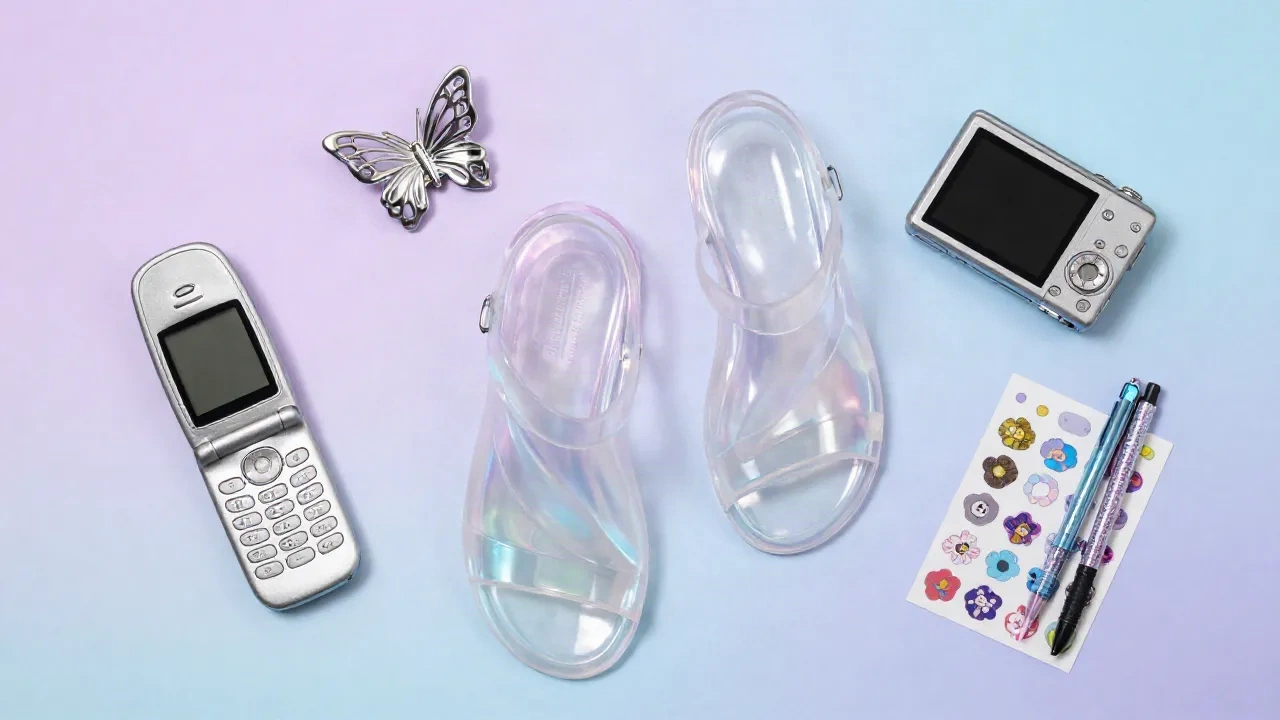
Say "y2k aesthetic" to ten people and you get ten mood boards. Butterfly clips. Low-rise everything. A translucent phone. A flip phone. Velour. A silver puffer jacket that looks like a space blanket got ambitious.
Most of that is fashion, and fashion is the loud part. Vogue's explainer on the revival traces it to TikTok e-girls in butterfly clips and beaded chokers, plus a resale-app gold rush for anything labelled "vintage" that you could technically have owned in middle school.
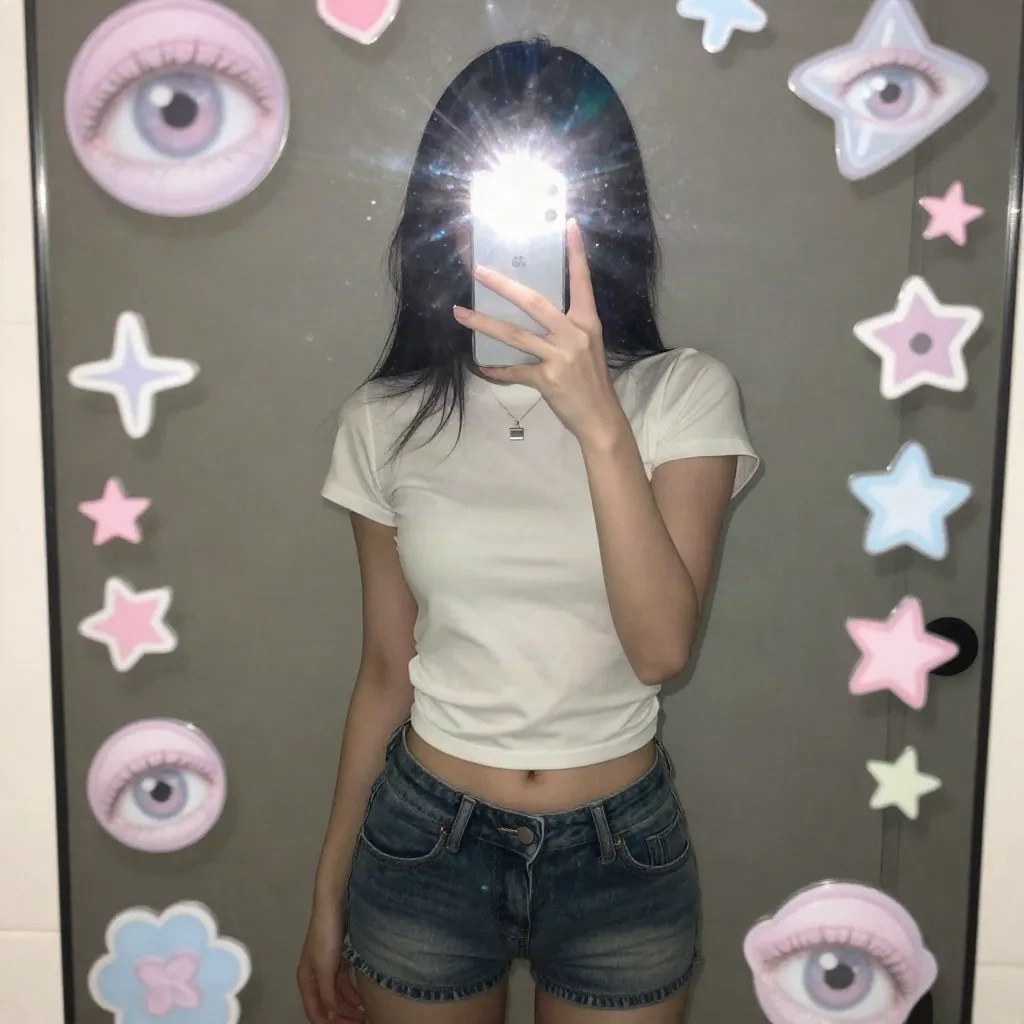
But the stuff that actually travels on a feed is not the outfit. It's the picture. A mirror shot with the flash going off. A grainy group photo where everyone's eyes are slightly red. A chrome heart floating on a lilac gradient.
So here's the split I use:
Optimist Y2K: chrome, bubbles, iridescent plastic, pastel gradients, translucent gadgets. Pure "the future is going to be shiny" energy.
Digicam Y2K: harsh direct flash, soft cheap lenses, washed highlights, wonky framing, candid chaos. Pure "somebody's cousin had a camera at the party" energy.
Both count. They just solve different problems, and mixing them by accident is why a lot of Y2K posts feel off.
Why a generation that missed it keeps reposting it
Most people posting Y2K in 2026 were toddlers in 2003, or not born yet. They can't be remembering it. They're reconstructing it from leftovers: old digicam folders on a parent's laptop, a movie rewatch, a thrift-store find, somebody else's TikTok.
That's what makes it work. Nostalgia you didn't earn has no baggage. You get the glitter and skip the awkward braces photos.
It also happens to be a very specific reaction to what feeds looked like before. For years the default was ultra-smooth, evenly lit, beauty-filtered everything. Then a mirror selfie with a flash starburst and a blurry background showed up and looked, strangely, more alive.
Worth saying out loud: this is a moment, not a law of nature. Fashion people have called Y2K "back" for years now and it keeps mutating instead of dying, but a single sub-look (say, the silver-puffer-and-wired-headphones thing) can burn out in a season. Treat it like a trend with a half-life.
The digicam look is really a list of flaws
Here's the part nobody explains. The digicam aesthetic is not "add grain." It's a handful of specific camera behaviours, and if you get them right the picture reads as 2003 even in a normal outfit.
Direct flash, from the front. Flat, bright, a bit harsh, with a dark falloff behind you. This single thing does more than any filter.
Blown highlights. Foreheads and noses go slightly white. Real sensors did that. A heavy "retro" overlay usually just adds orange and calls it a day.
Soft, low-res detail. Not blur, softness. Edges lose their crispness but colours stay punchy.
Imperfect framing. Cut-off heads, a thumb in the corner, a tilt. Perfectly centered is a modern habit.
Saturated, slightly wrong colour. Reds run hot, blues go cyan.
If you only copy one, make it the flash. Turn off any portrait-mode background blur, shoot from chest height, point straight at the subject, and let the highlights clip.
Chrome, iridescent, pastel: the other half
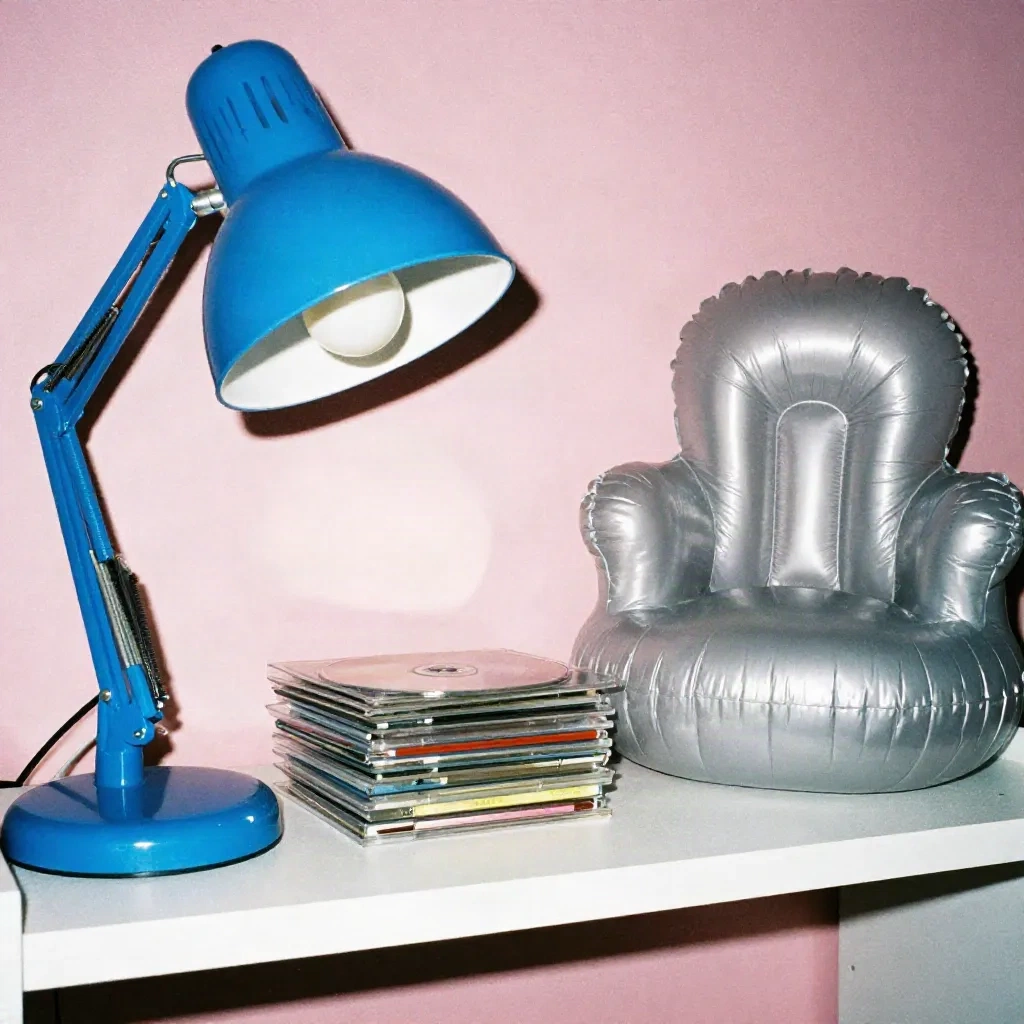
The optimist side is a different recipe. Think liquid metal shapes, bubble type, butterflies, hearts, stars with soft glows, and gradients that slide from lavender to mint to baby blue. In design circles it blurs into vaporwave, and honestly the borders are fuzzy on purpose.
Three rules keep it from looking cheap:
Pick a gradient and stay in it. Lavender to mint is hard to ruin. Eight colours is a screensaver.
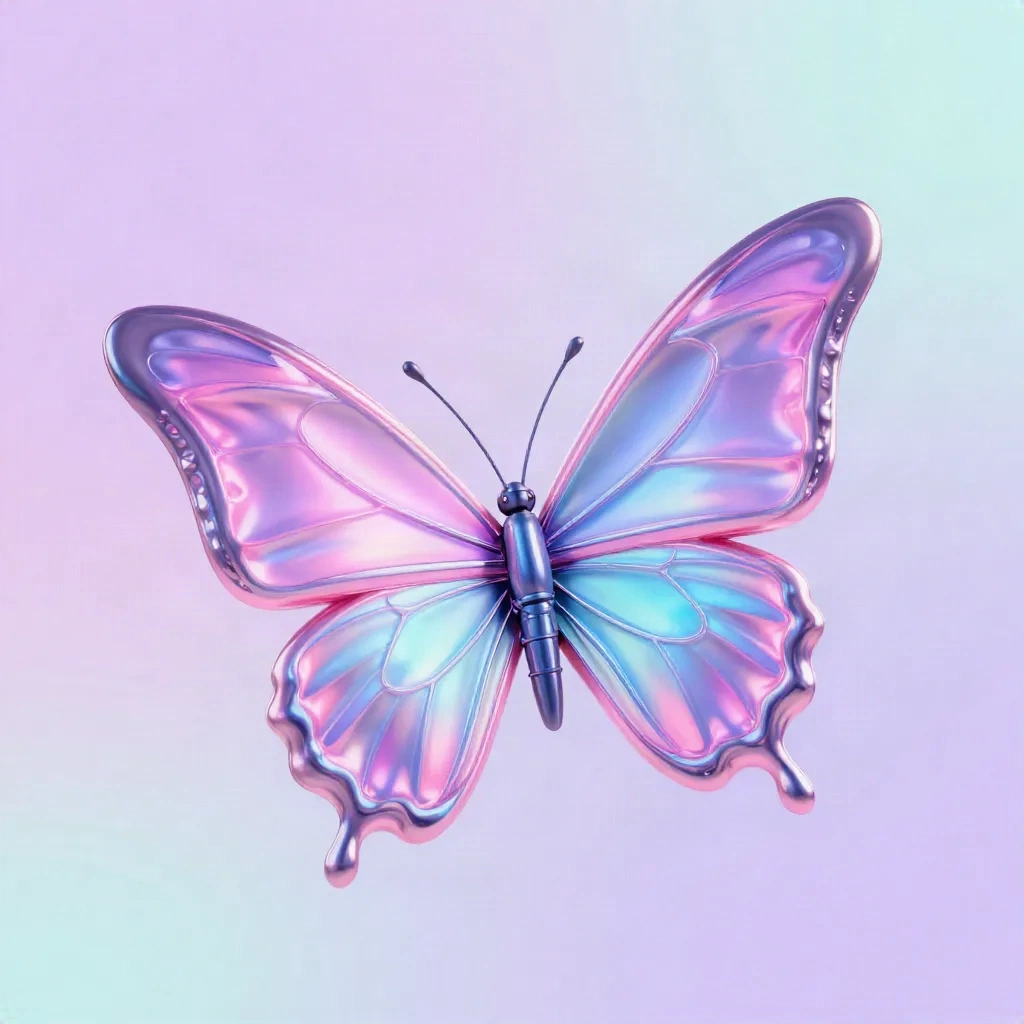
One shiny hero per frame. A chrome butterfly OR a bubble heart OR a metallic star, not a pile.
Let the background breathe. The point is gloss and air, not clutter.
If you'd rather generate the chrome look than model it in 3D, Krea AI is built for that kind of glossy render, and it has a free tier with daily compute so you can test before paying.
Skip these, they always read as costume
Some opinions, because a Y2K guide that says everything works is lying.
Skip the one-tap "vintage" overlay if it only adds warm tint and a fake date stamp. It looks like a filter because it is one.
Skip stacking every motif. Butterfly plus chrome plus glitter plus flip phone plus bucket hat in one frame is a Halloween costume, not an aesthetic.
Skip airbrushed skin. Smooth, poreless faces are the exact thing the digicam look rejects. If your retouch app has a smoothing slider, leave it alone.
Skip the real timestamp unless it's right. An orange date from 2003 on a photo with a 2026 phone's depth of field is a tell.
Tools that get you most of the way there
You don't need a vintage camera, though a thrifted one does give you the real glare. For everyone else, here's an honest split.
Lensa ships a one-tap Y2K Digicam effect among its trending presets, which is the fastest route to the flash-and-wash feel on an existing photo. The catch: it's a preset, so every other person who taps it gets the same look.
CapCut is where the motion version lives. A clip with a fast cut, a flash frame and a slightly crunchy export reads as Y2K faster than any still. The core editor is free.
Canva is the move for the collage side: sticker sheets, chrome shapes, bubble frames, gradient backdrops. The free plan comes with a big template library, so you can build a Y2K story slide in a few minutes.
Facetopia takes a different route. You upload a selfie and it rebuilds it in a style, and there's a Y2K mall teen style in the 180+ style library. Free is 10 transforms a day, Pro is $6/mo. The limit: it works best on clear, front-lit selfies, and results on very dark or very busy photos can wander.
Remini sits at the opposite end of the spectrum: it sharpens and unblurs, which is the reverse of what a digicam look wants. Use it on a ruined family photo, not on a post you want to look soft.
A ten-minute Y2K shoot with a phone you already own
You can fake the whole digicam look before your tea gets cold. Here's the order that works.
First, kill the quality. Switch off HDR, night mode and any portrait blur. Those are the features that make a modern phone photo look expensive, and expensive is the enemy here.
Second, force the flash. Stand about a metre from a wall, ideally a light-coloured one, so the flash bounces and leaves that hard shadow edge behind you. A mirror works too: aim the flash at your own reflection and let the starburst happen.
Third, shoot a lot. Digicam photos feel candid because they were. Take twenty, post two. The best frames are usually the ones where somebody blinked or the framing is a little off.
Fourth, edit by removing, not adding. Drop the sharpening, lift the highlights until they clip, push the saturation a notch, and stop. If the picture already looks like a cousin took it at a party, you're done.
Fifth, only then reach for a tool. A one-tap preset or a style transform is a finishing touch on top of a photo that already has the right flaws. Run the same selfie through two or three options and keep the one that still looks like you.
Which Y2K for which post?
A rough cheat sheet, because the two looks do different jobs.
Digicam works for people: friends, outfits, nights out, anything where the point is "we were there." It carries personality because it carries imperfection.
Chrome works for objects, announcements and backdrops: a drop, a playlist cover, a profile banner, a story slide. It carries a mood without needing a face.
If you want a profile picture that does both, keep the face in digicam mode and put a chrome or pastel element behind it. One loud thing, one honest thing.
How to build a Y2K feed that doesn't fall apart
Posting one Y2K photo is a mood. Posting ten that don't match is a mess. A few ground rules:
Choose your Y2K. Optimist or digicam, one per grid row. Alternate rows if you must, never within a single post.
Fix a palette. Two colours plus a metallic. Lilac, baby blue, silver is the safest trio.
Mix in boring frames. Not every post needs a butterfly. A normal photo with warm flash between the loud ones makes the loud ones land.
Date your trend. If you're posting about a sub-look that's peaking, say so. "This is everywhere in November 2026" ages better than "this is the future of style."
What happens when everyone has it
The honest bit: the more it spreads, the faster the freshest version gets dull. We've already seen it move from "Y2K" as a general word to very narrow sub-labels in under a year. The next turn probably leans harder into either the plastic-gadget nerdiness (translucent everything, chunky wired headphones) or the grainy realism of early camera phones.
Either way, the flash-and-flaws approach is the one that will keep working, because it's the opposite of polish and polish keeps getting cheaper. Whatever you post next, make the picture look like a person took it, not like a preset did.