UGC Meaning: Why Looking Unpolished Is the New Ad Brief
Summary
User-generated content is any photo, video, or review made by a real person, not a brand. In 2026, brands are hiring UGC creators to produce it intentionally, paying $50-400 per video for beginners. No following required. A decent phone and the ability to sound human are enough. Rates hit $1,500+ once you can show conversion data. The format is currently outperforming polished brand video in most verticals.
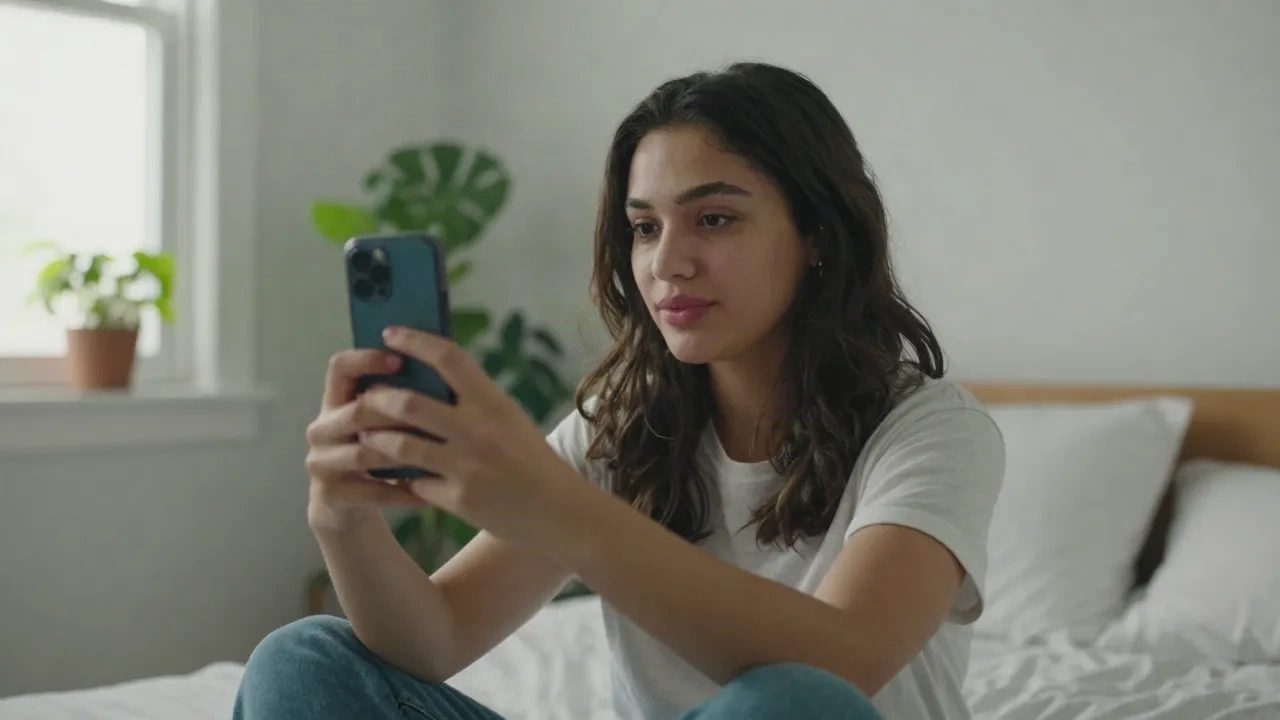
UGC stands for user-generated content. It's the phone video someone filmed in their kitchen about a serum that actually cleared their skin, the unboxing that wasn't paid for, the comment that turned into 10,000 saves. Brands have always wanted it. The shift in 2026 is that they're now paying creators to make content that looks exactly like this, on purpose. Here's what ugc meaning actually covers, who's getting hired, and what nobody tells you about the job.
What UGC actually means (not the marketing textbook version)
The textbook version: user-generated content is any content made by consumers rather than brands.
That's technically true but misses what makes it matter. UGC isn't just content made by a user. It's content that carries the specific weight of not being made by a marketing department. The bathroom lighting, the slightly crooked frame, the moment where someone pauses because they're trying to remember a word. That's the signal. That's what stops the scroll.
Brands have known this for years. The issue is they couldn't reliably produce it at scale. You can't brief your content team to be authentic on command. So they're briefing creators instead, with precise specifications for what authentic-looking means to them in 2026.
The term itself doesn't care about the platform. UGC lives on TikTok, Instagram Reels, BeReal, YouTube Shorts, and in brand ad libraries. The format changes. The core principle doesn't: it needs to read like something a person made because they wanted to, not because a brand paid them to.
Except, increasingly, a brand did pay them to. And the audience still can't tell.
Why brands stopped trusting their own ads
There's a stat that keeps showing up in media buyer reports this year: TikTok UGC outperforms professionally produced brand video by 22%. UGC campaigns on creator platforms grew 133% year over year. These aren't marginal numbers.
The reason isn't complicated. If you're 20 and you scroll past a video that looks like it was shot in a studio with three lights and a DP, your brain logs it as an ad and moves on in about half a second. If you scroll past a video of someone in their actual living room, actually holding the thing, talking about it like they have an opinion, you pause. You watch longer. You're more likely to click.
Brands didn't figure this out through some strategic insight. They figured it out because their own customers kept making better-performing content than their agencies were. When a girl posts an unsponsored TikTok about a cleanser and it drives 40,000 click-throughs, and your agency-made campaign drives 4,000 with ten times the budget, you start asking different questions.
At some point, it became more cost-effective to pay creators to produce content that looks like that TikTok, intentionally, than to keep trying to make studio content work in a format it wasn't designed for.
How the UGC creator economy actually works
This is where ugc meaning gets more specific in 2026, because there are now two distinct things the term describes.
The first is organic UGC: the real, unprompted content that actual customers make when they love a product. Brands can reshare this, license it, use it in ads with permission. It's free and it's gold when it happens. It's also unpredictable.
The second is paid UGC: brands hiring creators to make content that looks organic but is produced intentionally, to a brief. This is the economy that has exploded.
A paid UGC creator isn't an influencer. An influencer posts to their audience. A UGC creator creates content that the brand then runs in its own paid ads, its website, its email campaigns. Your follower count is irrelevant. The brand doesn't care if you have 200 followers. They care if your 30-second video looks like a real person genuinely recommending something.
Over 54% of UGC creator opportunities in 2026 are open to people with no established portfolio. The baseline setup costs under $100: a ring light, a cheap tripod, your phone. That's the whole kit.
Rates break down roughly like this: beginners earn $50-150 per video. After six to twelve months of actual work, $150-400. Experienced creators who can show conversion data charge $400-1,500, sometimes more for package deals.
Most beginners land their first paid brief within four to eight weeks of actively pitching on platforms like Billo or JoinBrands.
What a paid UGC brief actually looks like
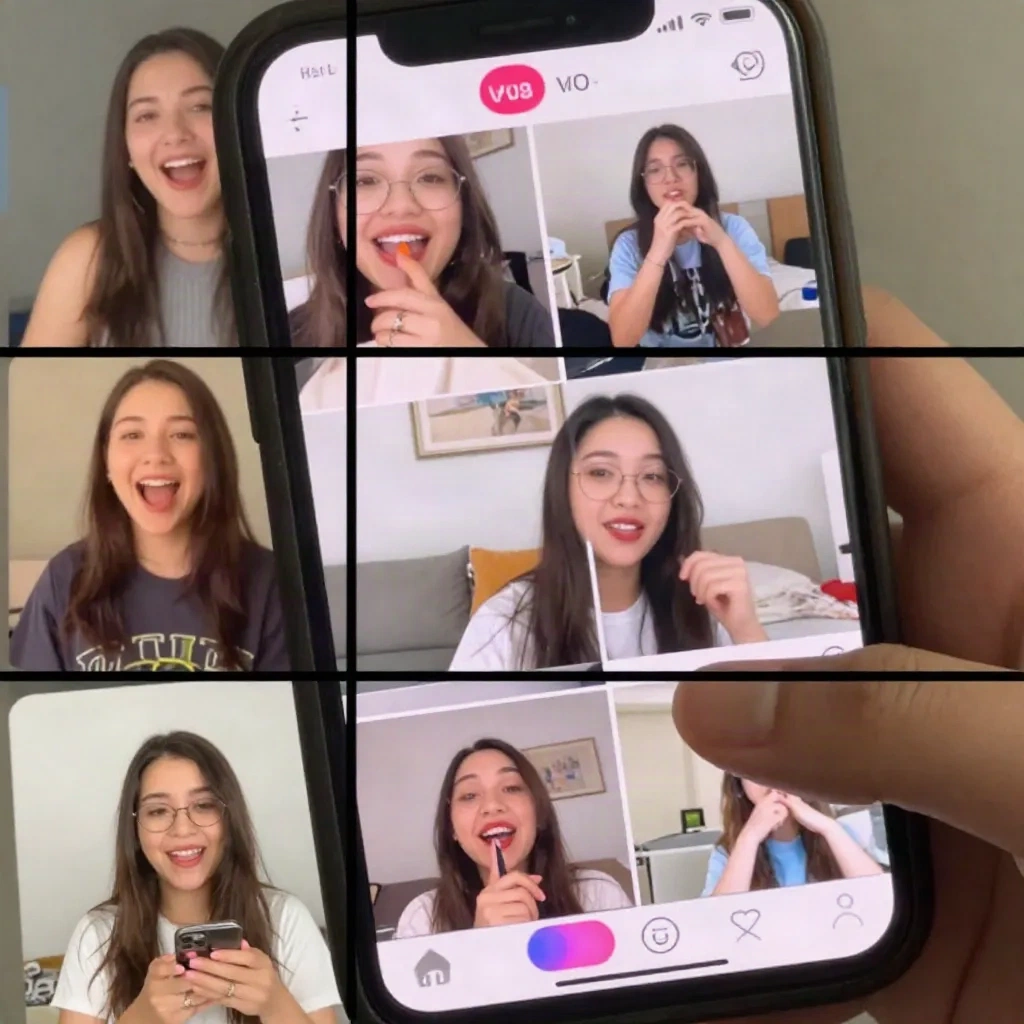
A brand reaches out, or you apply through a platform, and they send you a product along with a brief. The brief specifies format length (usually 15-60 seconds), the hook style they want, sometimes the exact tone (casual and conversational, not polished), and which platform the content is going to run on.
What they're not prescribing: your background, your face, your specific words. The goal is content that sounds like it came from you. A script that reads as a script defeats the purpose.
The deliverables are just video files. The brand runs them in paid ads on Meta, TikTok, and wherever else they're buying traffic. You don't post them. They do. Your face might end up in front of 5 million people and you won't know unless you go looking for it.
This is worth knowing before you start: your content will be used as advertising. The brand owns it. Read the usage rights section of whatever agreement you sign.
AI-enhanced UGC: the visual edge that keeps coming up
There's a conversation that's been running through creator Discord servers since late 2025: what happens when you apply AI visual transforms to your UGC content?
The honest answer is: it depends entirely on the brief.
Brands that want raw authenticity, think skincare, wellness, personal finance, will spec briefs that ask for zero post-processing. What they want is the handheld camera movement and the natural lighting. Anything on top of that reads as staged.
But brands playing in spaces where visual identity matters, fashion, beauty tech, AI tools, gaming, lifestyle, are increasingly okay with UGC that carries a visual signature. Sometimes they're actively requesting it.
This is where tools like Facetopia's AI transform catalog become relevant to the UGC pipeline. Not for every brief. For the briefs where the brand wants content that's both authentic-feeling and visually distinct, there's a version of the workflow where you film the raw footage and apply a specific transform on top. A particular portrait style, a Y2K chrome treatment, a clean AI filter that makes the video pop without looking produced. The content still reads as creator-made. It just carries a visual layer the brand can use consistently across a campaign.
The honest friction here: you need to disclose AI transforms to the brand in advance. Most are fine with it. Some want the unedited raw file alongside. A few briefs will specify no AI editing at all. Read before you submit.
What brands are actually screening for when they hire UGC
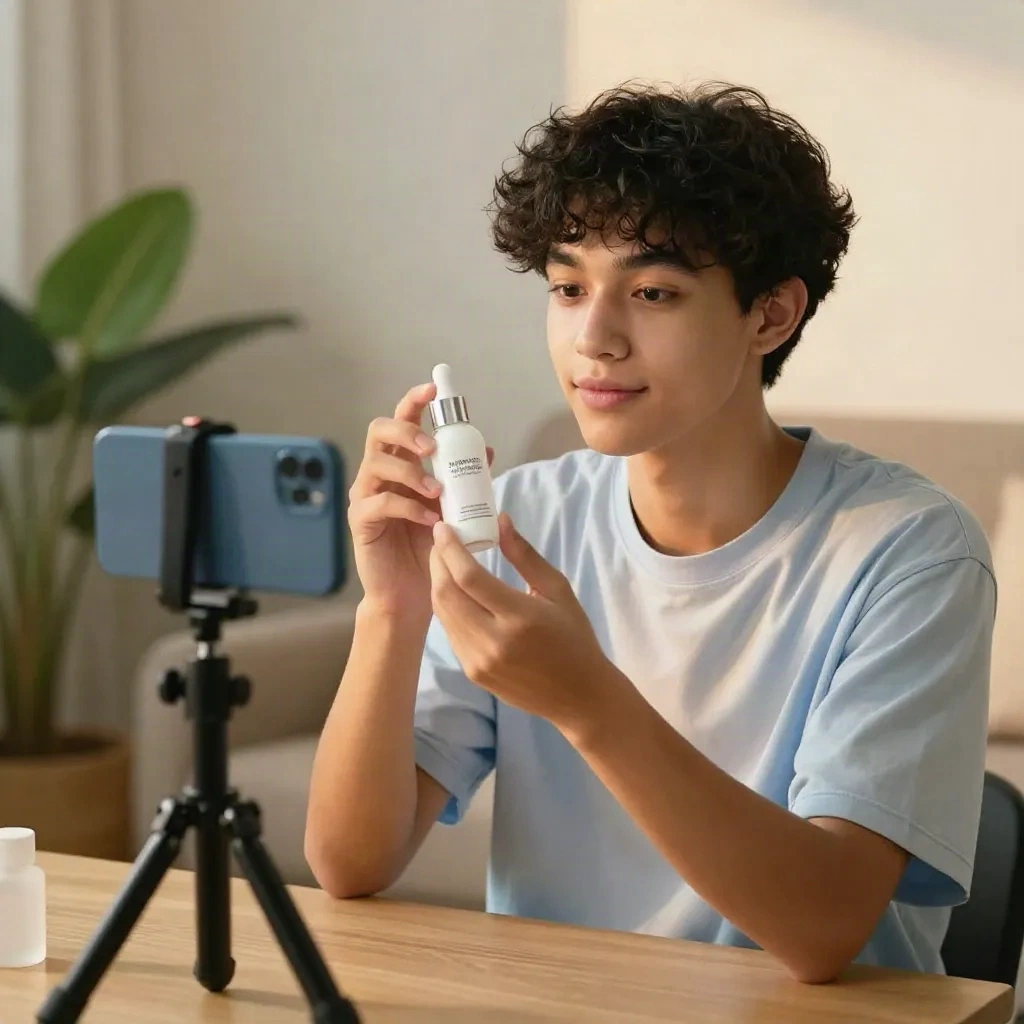
Brands are not screening on follower count. The criteria that actually matter are: content quality, niche fit, reliability, and portfolio.
Content quality means: does the video look and sound like a real person made it for a real reason? The production can be rough. The performance needs to feel genuine.
Niche fit means: does your existing content, even if it's just your personal social posts, signal that you're the kind of person who would actually use their product? A wellness brand is going to screen for someone who already posts about food, movement, or health. A tech brand wants someone who posts about apps or devices. You don't need to be a full creator in that niche. You need to not look like a mismatch.
Reliability means: do you deliver on time and in the correct format without needing multiple revision rounds? Brands have production schedules. Late or wrong-format files are a bigger problem for them than slightly less-polished content.
Portfolio means: can I watch three of your past deliverables and see that you understand what the brief is trying to do? This doesn't have to be paid work. Make three practice videos for products you actually use and put them somewhere linkable.
The platforms doing most of the matching right now are Billo, Influee, JoinBrands, and TikTok's Creator Marketplace. Most beginners start with Fiverr and migrate to the platforms once they have a small portfolio to show.
The friction nobody mentions about paid UGC
The job is more repetitive than it looks.
A brief is a brief. You receive a product, read the brief, film a video, submit it. If the brand asks for revisions, you film again. The creative latitude is mostly in your hook and your ad-lib moments. The rest is spec-compliant delivery. If you were hoping UGC would be an outlet for your creative vision, the answer is: sometimes yes, mostly no.
Rates are also still compressed at the beginner level. $50-150 per video, times a realistic two to four briefs a month when you're starting out, is a side income, not a salary. Most UGC creators spend the first year treating it as supplemental income alongside other work.
There's also a significant gap between platforms that claim to connect creators to brands and platforms that actually have active campaigns running. JoinBrands and Billo are generally reliable. Some of the smaller platforms sit mostly empty. Vetting which platforms have live briefs before you invest time building a profile on them is worth the 20 minutes it takes.
None of this is a reason not to start. It's just the version of the job that doesn't make it into the TikTok content about making five figures a month from your couch.
The realistic version is slower, more administrative, and pays less per hour than the highlight reel suggests. It's also genuinely accessible to anyone with a phone and some patience. Both things are true.