Selfie Ideas That Still Work in 2026 (Plus AI Twists)
Summary
The best selfie ideas right now are lo-fi: change your camera height, face a window for soft light, shoot ten frames instead of two, and try the hidden-face flash mirror shot. Then run your strongest frame through an AI style like a yearbook grid, caricature or Polaroid to get something new. Trends peak in a week or two, so pick one real-camera idea and one AI idea, and post the weirdest result.
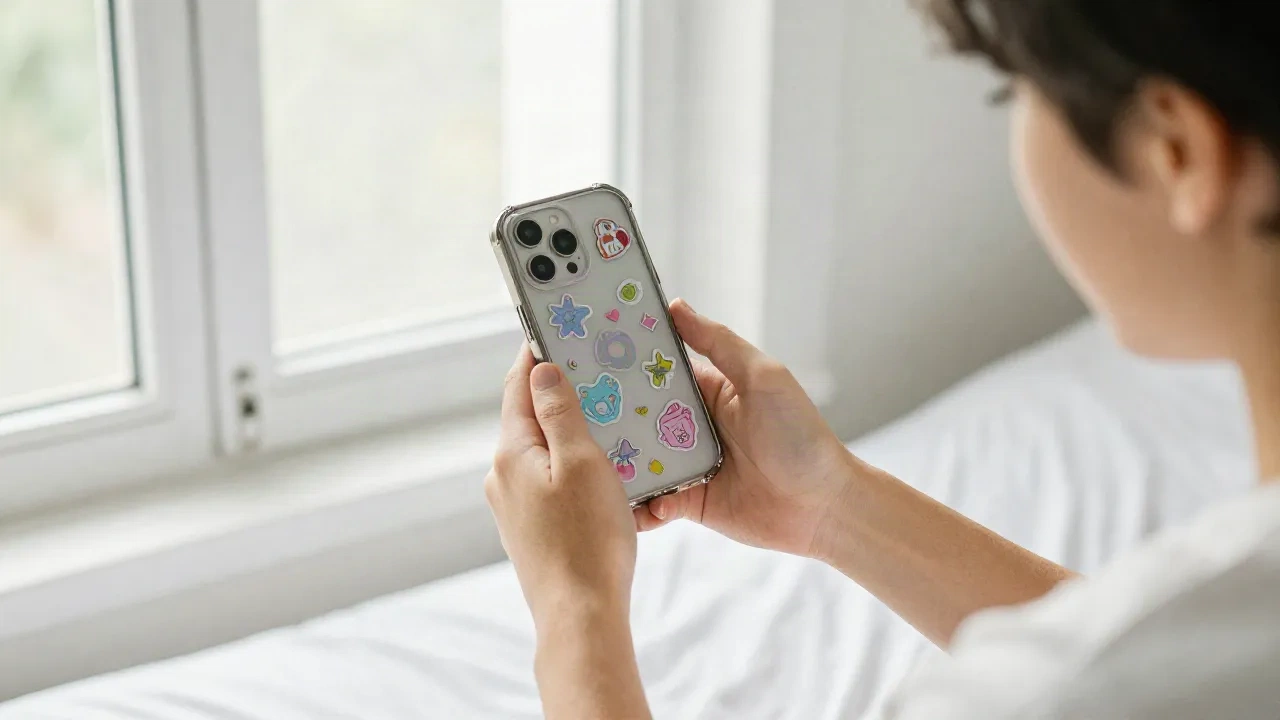
Looking for selfie ideas that don't look like everyone else's feed? Start with three things: change your camera height, move toward a window, and take ten frames instead of two. Then run your best frame through an AI style so it becomes a post nobody has seen yet. That is the whole loop, and the rest of this is how to make each step actually work.
I test filters and AI styles every week, so this is the version I'd send a friend. Half real-camera tricks, half AI trends, with the honest "this one is dead" notes included.
Which selfie ideas still work in 2026?
The big shift: the over-smoothed, perfect-skin look is out. What gets saved right now is the flash photo that looks a bit rough, the weird crop, the shot that feels like someone else took it on a disposable camera.
Here's the short list I keep coming back to:
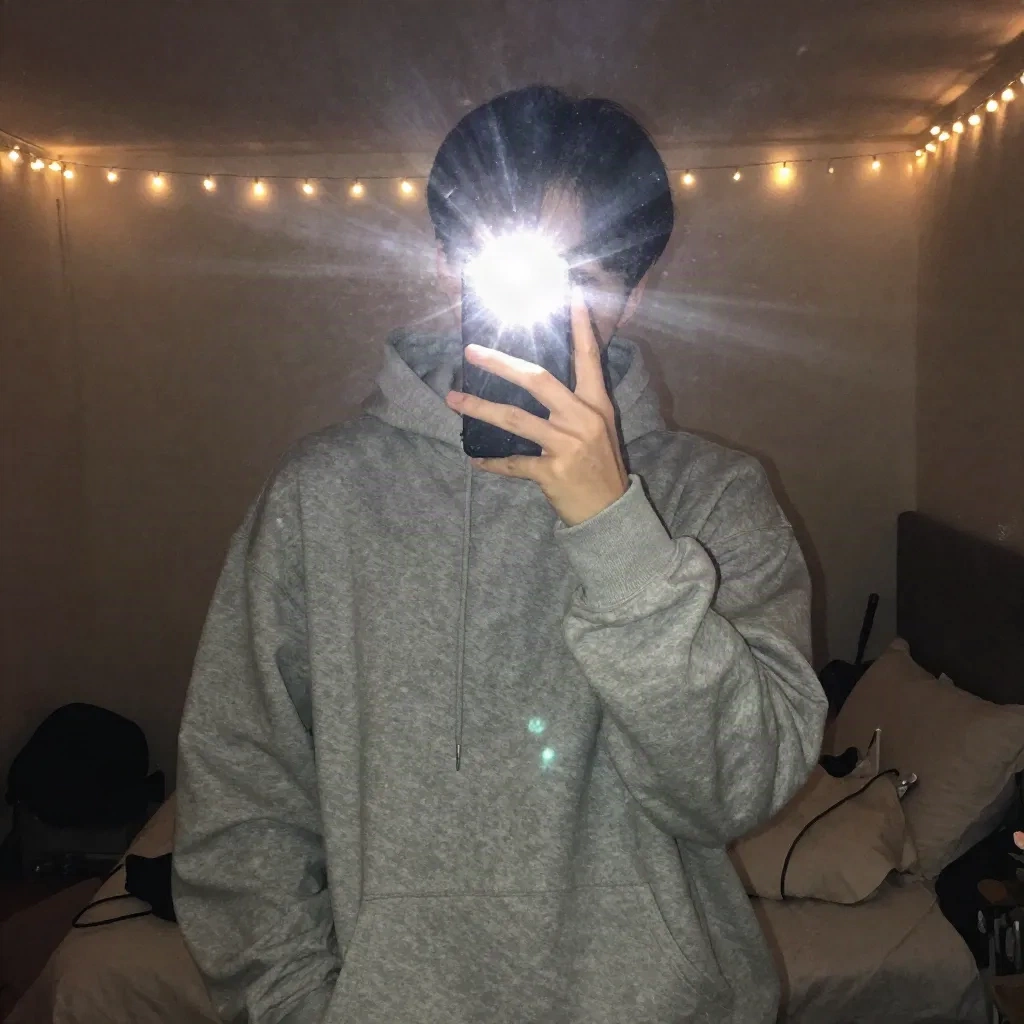
The hidden-face mirror shot (flash blocks your face, outfit does the talking)
Overhead or floor-level angles instead of the classic arm's-length one
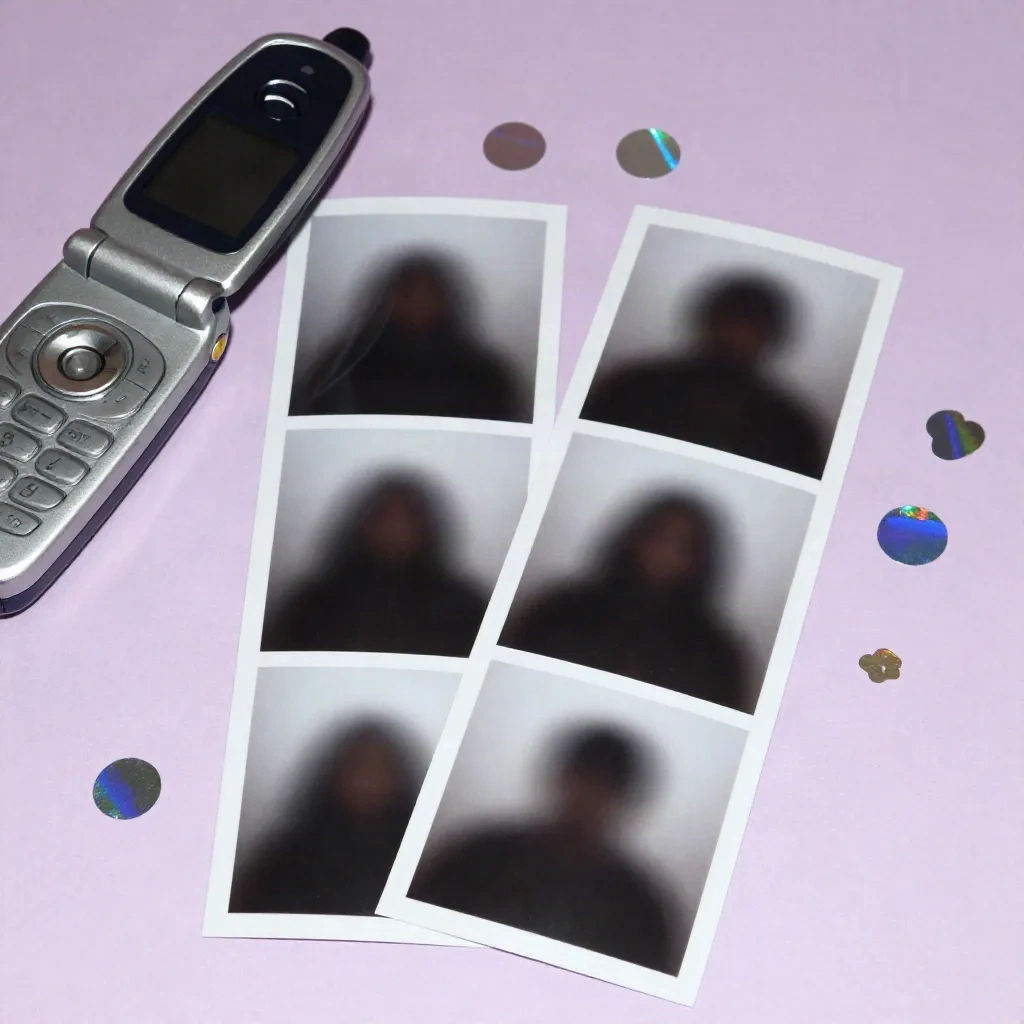
Photo booth strips, four frames, four different faces
Flip-phone Y2K grain, on purpose
One selfie turned into a decade grid, a caricature or a collectible figure with AI
None of these need a good face day. They need a good idea and a little mess.
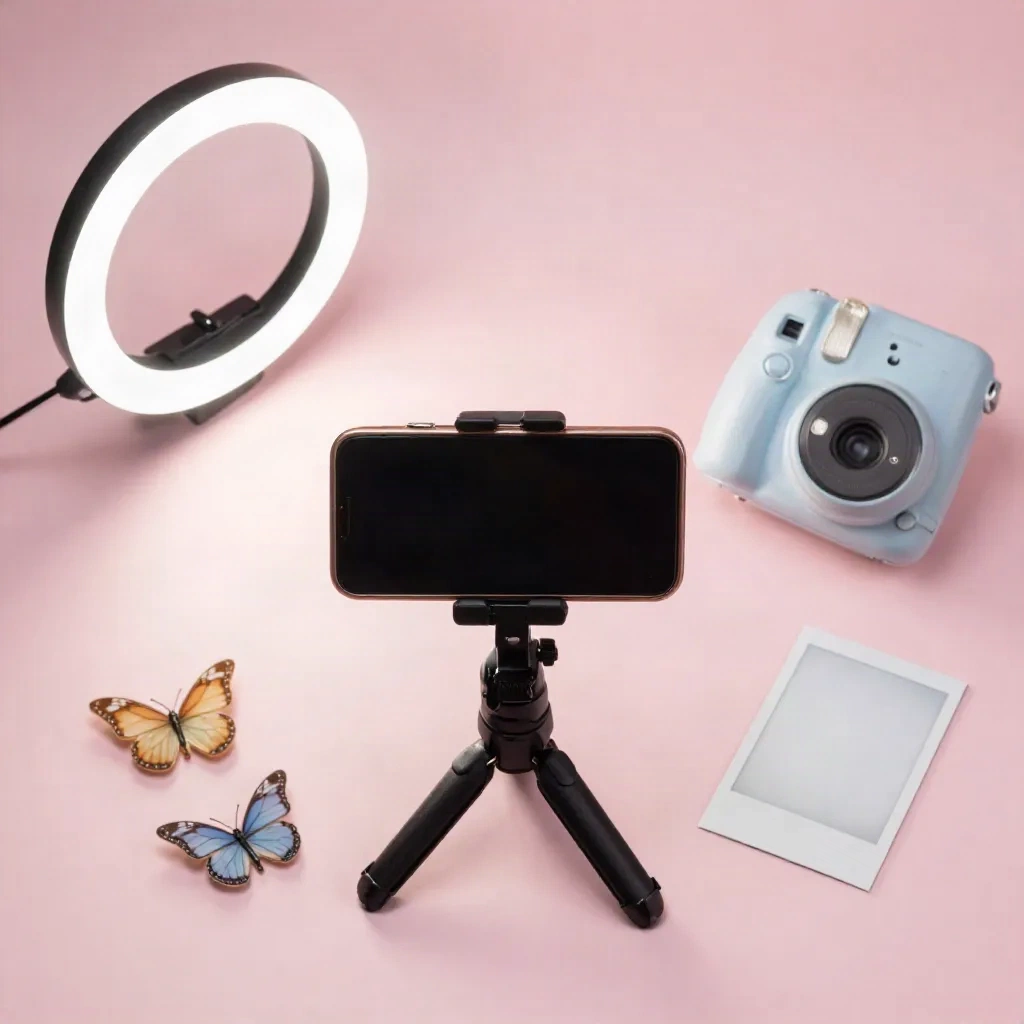
Which angle actually changes the photo?
Camera height. Not filters, not poses. Photography guides like this one from Expert Photography make the same point: start at eye level or slightly above, then go higher and lower and compare. A low angle pulls in sky, a high one pulls in the ground and whatever you're standing in.
The detail most people miss is that height and distance are two separate things. Hold the phone close and your nearest features get exaggerated. Step back, zoom in a little, and the face calms down.
Try this in order:
Eye level, arm out, one frame as a baseline
Phone held high, chin slightly down
Phone near your chest, tilted up (yes, the chin angle, it's more flattering than its reputation)
Phone on the floor, you standing over it
Skip the straight-on, centered, face-filling-the-frame shot unless you want it to look like an ID photo. In practice, it always does.
Where should you stand for the best light?
Facing a window with indirect daylight. That's it. It beats every ring light I've owned for everyday use.
Side light adds shape and makes a face look three-dimensional. Backlight looks great for a mood shot but your face goes dark unless you move closer to the glass. Golden hour gives you warm, blurry and a bit nostalgic. Blue hour is moodier and cooler.
If you shoot at night, flash is not the enemy. Harsh direct flash is exactly what the current look asks for. The trick is to own it: hard shadows, shiny skin, messy room behind you.
What are the best selfie ideas when you hate your face on camera?
You don't have to show it. Some of the best-performing shots don't:
The flash block. Mirror, phone in front of your face, flash on. Outfit, room and vibe are the subject.
The crop. Cut at the jaw or start at the lips. Weirdly more intriguing than a full face.
The shadow play. Hold a colander, blinds or a CD in front of a lamp and let the pattern fall over you.
The silhouette strip. Photo booth strips in low light, where nobody can tell who anyone is.
The honest limit: these are easier to pull off than they look, but only after maybe six or seven bad takes. Use burst mode and check for sharp eyes (or a sharp flash burst) afterwards, not while shooting.
Which AI selfie trends are worth your time?
This is where it gets fun, and where it gets perishable. Ever seen the AI yearbook grid float past your feed? It's the one with the most steady search interest of any AI photo trend, according to Sunra's June 2026 roundup, but the same roundup points out that a typical trend peaks within a week or two. Treat every trend below as having an expiry date.
What's moving right now:
AI yearbook. One selfie becomes a set of 90s and 2000s school portraits. Post it as a decade-by-decade grid.
AI caricature. Big-head, one feature pushed hard. Works best if you exaggerate one thing, not everything.
AI Polaroid. Instant-film frame, flash falloff, warm tones. Many people add a second person.
Collectible figure. Blister pack, accessories, a name card. This is where weaker models fall apart, because printed packaging text comes out garbled.
Born in different countries. Same face, different styling and settings, in a grid. The face has to stay recognizably yours across every tile.
Ghostface horror portrait. Seasonal. It peaks around Halloween, so if you're reading this in late October, now or never.
Heads up: that roundup comes from an AI tool vendor, so take its model recommendations as opinions, not benchmarks. The trend list itself matches what I see in my own feed, though.
Which app should you use for the AI part?
Depends on what you want out of the photo. Quick breakdown, no drama.
Lensa does clean, polished artistic portraits. If you want a very tidy result, it's a solid pick.
Remini is the one to grab when your original selfie is the problem: blurry, low-light, old. It's an enhancer first, a style tool second.
Snapchat is the fastest way to play, because everything runs live on the camera with no upload step. The limit is that you're locked into whatever lens is trending that week.
Krea is for when you want to experiment with prompts and real-time generation rather than one-tap styles. More control, more fiddling.
And then there's Facetopia, which is what I open when I want the weird or the viral. 180+ styles, a feed to see what other people are posting, and a remix button so you can copy a look in one tap. The free plan gives you 10 transforms a day, and HD output sits behind Pro at $6 a month. Different goal than Lensa: Lensa is portrait polish, Facetopia is trying things until one hits.
How do you make AI selfies look like you took them?
Three things, in order of importance.
Start from a good source frame. Front-facing light, eyes sharp, face not cropped. AI styles amplify whatever you give them, including a dark, grainy original.
Pick styles that fit the photo. Dramatic side light plus a Renaissance portrait style works. Flat, harsh flash plus an anime style usually doesn't. It's matching moods, not just clicking the shiniest preview.
Check the face before you post. The "same face in every tile" trends are where models slip. Look at the eyes, the jawline and glasses if you wear them. Rendering can be noticeably worse on some skin tones and with accessories, which is a real limit across most tools, not just one app.
Then post it the way the trend is posted. A grid for decade trends, a single square for Polaroid, a carousel with your original as the last slide so people can see the before.
What about selfie ideas with friends?
Group selfies fail for one boring reason: faces at different distances from the lens. Keep everyone's face about the same distance from the camera and they'll look the same size. The person holding the phone should be the one in the middle, not the one on the edge with a stretched arm.
A few formats that work better than the standard squeeze-in:
The two-phone swap. Each person takes a solo shot of the other in the same spot, then you post them side by side.
The timer chain. Phone on a stand, 10-second timer, and everyone changes pose after each click. Pick the frame where the movement looks accidental.
The couple-in-one-frame AI trick. Two solo photos merged into one image that looks like a single shot on one phone. It's a big format right now, and it's also the one most likely to put the wrong face on the wrong body, so zoom in before you send it.
The pet selfie. Sit down, get the camera to the animal's eye level, and take twenty frames. Maybe two will work.
If you're taking these at a party, the flash block from earlier works for groups too. Everyone behind one bright flare, nobody worried about their angle.
How do you post them so they don't die in the feed?
Don't post all ten. Pick the weirdest two and one clean frame.
Lead with the strongest visual, keep the caption short, and drop the hashtag pile. For AI posts, put your untouched original as the final carousel slide. People love a before and after, and it also proves the result is really you and not a stock face.
What should you skip?
My short skip list:
Posing with the exact same smile in every frame
Heavy beauty smoothing, which reads as dated now
Any AI trend that's already three weeks old. It's three weeks old but it feels like a year
Prompts you copied word for word from a viral thread, since everyone else's output will look the same
What would I actually try this weekend?
Pick one real-camera idea and one AI idea, and do both on the same day.
Saturday morning: window light, ten frames, one hidden-face mirror shot and one low-angle shot. Saturday night: flash photo strips with a friend. Sunday: take your best two frames and run them through two different styles. Post whichever one you'd send to your group chat first.
If none of it lands, at least you've got a camera roll with ten more interesting photos than you had on Friday.