Anime Profile Picture: Best AI Styles for Your PFP
Summary
Anime profile pictures blew up because AI photo-to-anime tools actually got good. Facetopia converts your real selfie into 180+ anime styles - kawaii, cyberpunk, Ghibli-adjacent - in under a minute, with 10 free transforms per day. OpenArt and NovelAI are better for original character work but have steeper learning curves. The main limit: results vary by face type, and models still handle lighter skin tones better than darker ones.
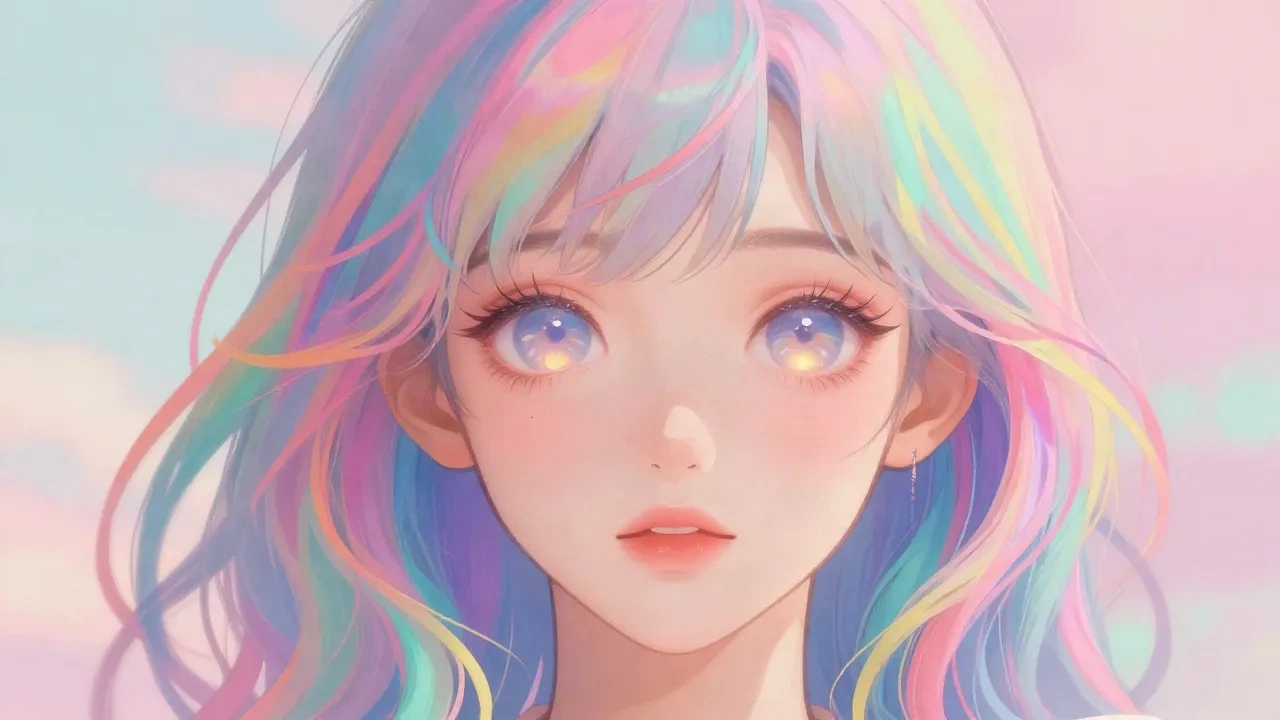
If you want an anime profile picture right now, you can have one in under 60 seconds. Upload a selfie, pick a style, done. The question is which tool actually makes it look good - and which one just slaps a flat filter on your face and calls it a day.
I've been testing AI photo tools since 2023 and this is where I land in September 2026: the quality gap between tools is real, the style range matters more than most reviews admit, and knowing what you're walking into saves a lot of wasted transforms.
What's an anime PFP and why does it keep showing up everywhere
An anime PFP (profile picture) is a portrait of you - or a character version of you - drawn in an anime visual style. Soft eyes, stylized lines, expressive features that don't look like a Snapchat filter approximation.
You've seen them on every Discord server. They've been TikTok bio art for years. And in 2026, with AI generation instant and cheap, the quality jumped to a level where these actually hold up next to commissioned art from real artists.
The thing that shifted: photo-to-anime tools got good. Not "decent for AI" good. Actually good. You upload a selfie and the result looks like you, just redrawn in a style you'd see in a Crunchyroll thumbnail.
That's the moment anime PFP culture crossed from niche Discord behavior to something you see on Instagram, Twitter/X, and TikTok bios without it feeling weird or out of place.
The cultural push behind it is real too. BeReal fatigue is a thing - three years of raw selfies and a lot of people want their online presence to be more crafted, more expressive, more character. An anime PFP is identity play. It's you, but intentional.
Photo-to-anime vs. prompt-only: not the same thing
This distinction matters a lot when you're picking a tool.
Prompt-only generators work on text input. You type something like "anime girl with short pink hair, cyberpunk background, detailed eyes" and the AI creates a character from scratch. Great for original characters. Not great if you want a profile picture that's recognizably yours.
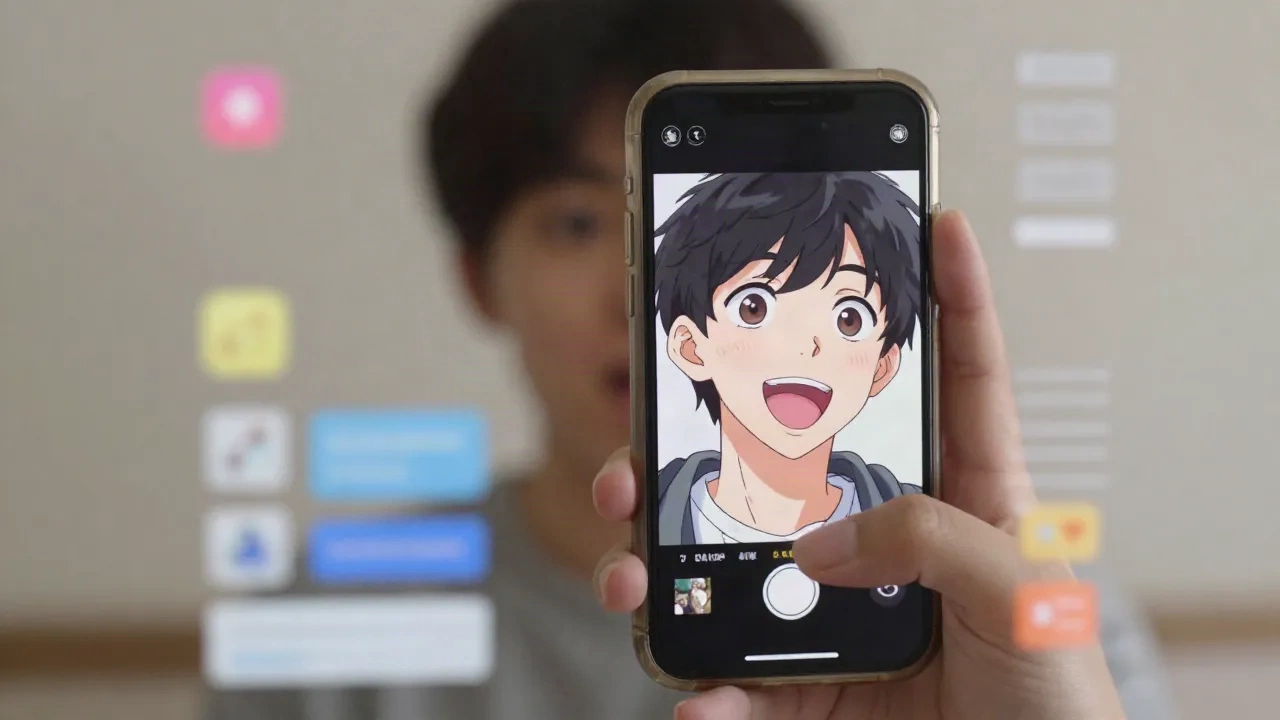
Photo-to-anime tools take your actual face as input. The AI reads your facial structure - jawline, eye spacing, expression - and redraws it in anime style. The result looks like you, not a random character who happens to have the same hair color you asked for.
Facetopia works on the photo-to-anime model. You upload your selfie, and the style transforms your specific face. That's why the output works better for actual profile pictures - there's continuity between the anime version and the person behind the account.
Photo-to-anime also performs better for long-term use. A prompt-only pfp can feel disconnected from your content over time. A photo-based anime pfp still reads as you - the stylized version you chose to show.
The anime styles that keep showing up in 2026
Anime isn't one aesthetic. The style range is massive, and different platforms lean toward different vibes.
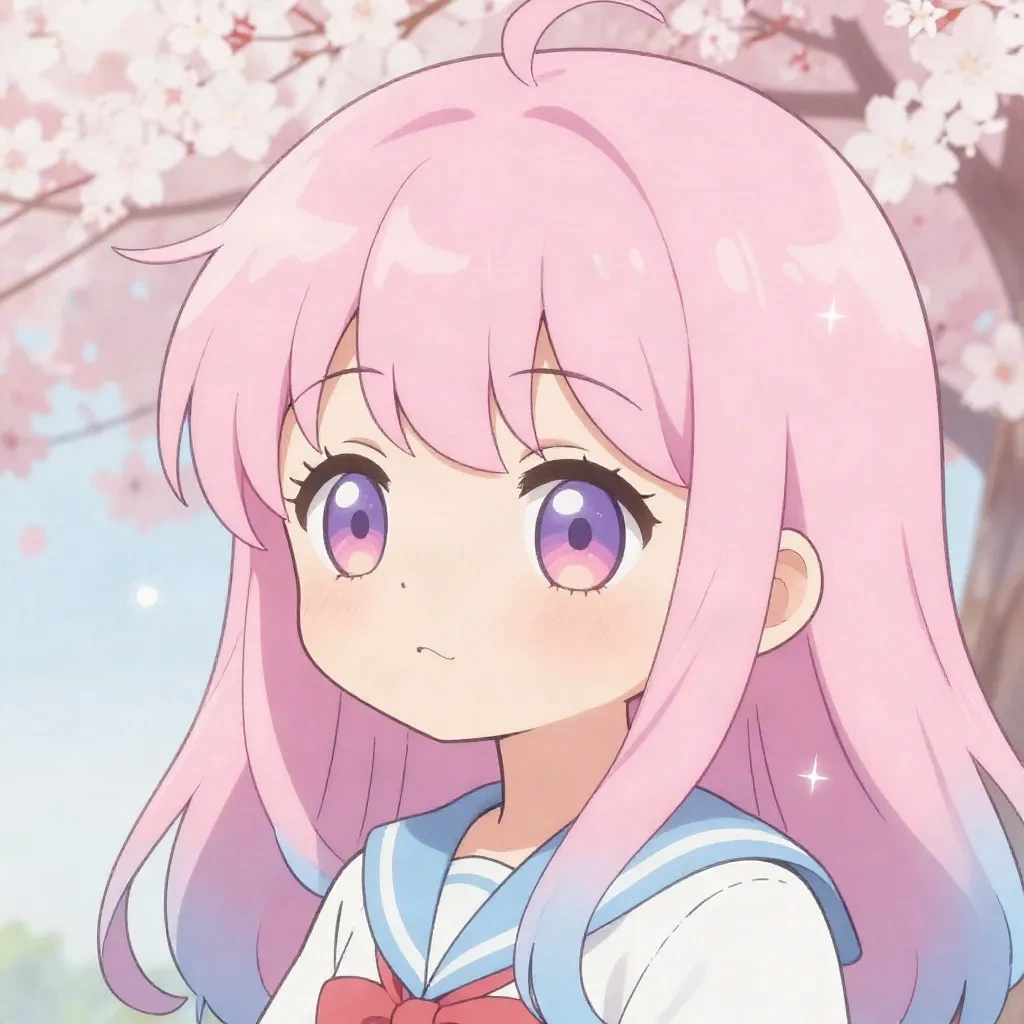
Kawaii / soft aesthetic - big eyes, pastel tones, sparkle details, rounded features. This is dominating Instagram and TikTok bios right now. The color palette runs pinks, blues, and soft purples. Very 2026. Works on every platform without friction.
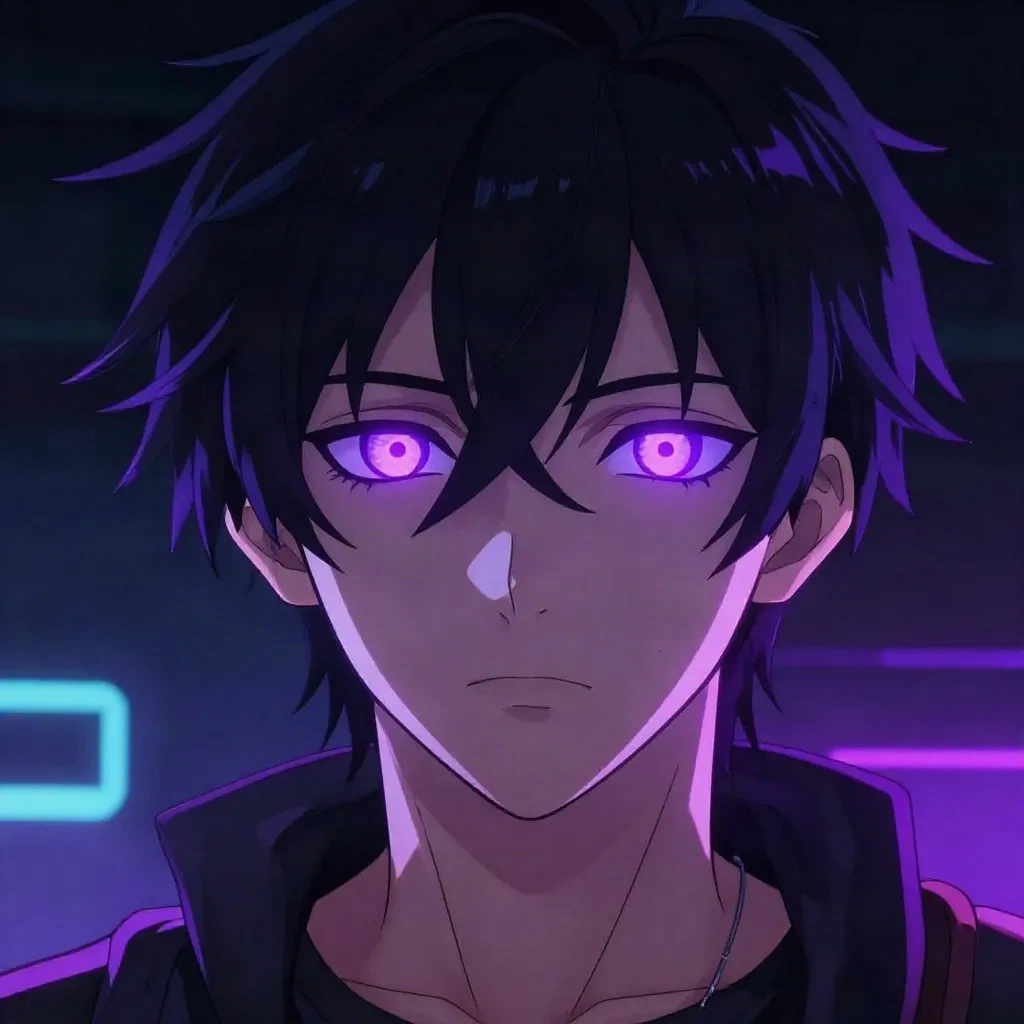
Cyberpunk anime - dark backgrounds, neon accents, sharp features, cool or intense expression. Pulls consistently on Discord gaming servers and Twitter/X, especially in dark mode where the neon elements hit differently. The contrast reads as "character, not filter."
Ghibli-adjacent painterly - warmer tones, soft brushstroke feel, slightly impressionistic, less hyper-saturated than typical anime. Popular with people who want something that reads as art rather than effect. Less immediately eye-catching than kawaii but ages better on your profile.
Shonen / battle style - high contrast, dynamic composition even in a portrait format, spiky details, dramatic expression. Niche but loyal. Shows up on YouTube avatars and Twitch channel art more than social media bios.
Y2K chrome / iridescent anime - metallic finishes, holographic details, early 2000s visual language filtered through anime sensibility. This one specifically overlaps with Facetopia's Y2K and chrome styles. If you want something that feels both retro and current, this is the lane.
Facetopia has 180+ styles across all these categories. The anime-adjacent styles are distributed through the face transformation catalog. Worth browsing the thumbnails before uploading - the previews show you the output energy before you commit to a transform.
How to actually get a good anime pfp with Facetopia
Upload a selfie with decent lighting. Not studio quality, but not half your face in shadow. Front-facing is better than a 45-degree shot for the first attempt. Neutral or slightly expressive (not extreme grin, not total blankface) gives the model more to work with.
Browse the catalog before uploading. You get 10 free transforms per day on the base plan. Spending one to test a style you were already uncertain about is annoying. The thumbnails show you the output type - you can usually read whether a style is going kawaii or dark cyberpunk before committing.
If the first result looks off, try a different selfie before switching styles. Lighting and angle make more difference than most people expect.
The Pro plan is $6/month. It removes the daily transform limit and gives you HD output. If you're creating pfps for multiple platforms, or you want to run through 10+ styles to find the right one, the math works. If you just want one clean anime pfp, 10 free transforms is usually enough.
One tip I keep coming back to: generate 3-4 different styles before picking. Your instinct about which one will look best often turns out wrong once you see the actual outputs.
Three other tools tested on the same selfie
These fill different slots. Useful to know if Facetopia's output isn't hitting what you want.
OpenArt is the one to try if you want more style control. You can reference specific anime art styles, adjust generation parameters, and batch-generate variations. The free tier gives you 50 credits on signup - enough to seriously experiment. Output quality when you dial in the prompts is genuinely excellent.
NovelAI is built specifically for anime-style image generation, trained on anime art datasets. The quality ceiling is high. But it's less "upload selfie, get result" and more "know what you're doing with prompts." For photo-to-anime where the result looks like you, it requires more setup than Facetopia. For building original anime characters, it's hard to beat.
Playground AI is free for 500 image generations per day on the basic tier. Quality varies more than paid options, but the volume is useful for experimenting with different anime vibes before committing to a photo-to-anime tool. If you want to run through 20 different style prompts to find your aesthetic direction, Playground is the right place to do that.
The honest read: for photo-to-anime where the result looks like you, Facetopia is still the fastest path with the cleanest results. For original anime character creation or style experimentation that doesn't start from your face, OpenArt and NovelAI pull ahead.
The limit nobody talks about
Photo-to-anime AI doesn't perform equally across all face types - and most tool reviews skip this entirely.
The models were trained predominantly on anime art that represents a limited range of skin tones and facial features. In practice, lighter skin with higher contrast features tends to get the cleanest results. Darker skin tones can get flattened or lose detail in ways that don't happen with lighter complexions. This is a training data bias that the whole industry is still working through - Facetopia included.
If your results keep looking off, it's not always the lighting or photo angle. Sometimes the model genuinely isn't optimized for your features yet. Worth trying different styles before deciding the tool doesn't work for you - some styles handle the full range of face types better than others.
Separate practical issue: some outputs look great as a square profile picture and strange if you ever need them at full resolution or landscape crop. Check how the result looks at 400x400 before committing to it across multiple platforms.
Where an anime PFP actually makes sense (and where it doesn't)
Discord is still the cultural home of the anime pfp. Expected on a lot of gaming and anime-focused servers. Showing up with a photo-realistic portrait in certain communities reads as slightly off.
TikTok bios have shifted toward more expressive, intentional art. An anime pfp signals that you have an aesthetic, that you've thought about your visual identity. Combined with a bio that matches the vibe, it reads as creator behavior rather than random account.
Twitter/X has no consensus aesthetic, which is actually good news - anything works. Cyberpunk anime reads well in dark mode. Kawaii pastel is fine in either mode. This is the platform where you can rotate pfps without friction.
Instagram defaults toward photorealistic presence. An anime pfp works here if your content has an illustrated or artistic direction. If your feed is all photography or lifestyle content, the anime pfp can feel disconnected from your posts.
LinkedIn: no, unless you're in creative industries and your entire brand is built around illustrated identity. A professional headshot performs better in almost every other context.
CapCut's toon filter feature creates a quick anime-adjacent transformation for video content. Not as detailed as dedicated tools, and it shows at full resolution. But if you're already editing TikTok content in CapCut, the integration is seamless for video thumbnails and Reels covers where pfp-level detail isn't what you need.
Pick your platform first, decide whether you need photo-to-anime or original character generation, then test before committing. Getting one anime pfp that actually works - the one you keep for three months instead of changing after two days - takes about 5 minutes with the right tool.